

Happy Thanksgiving!
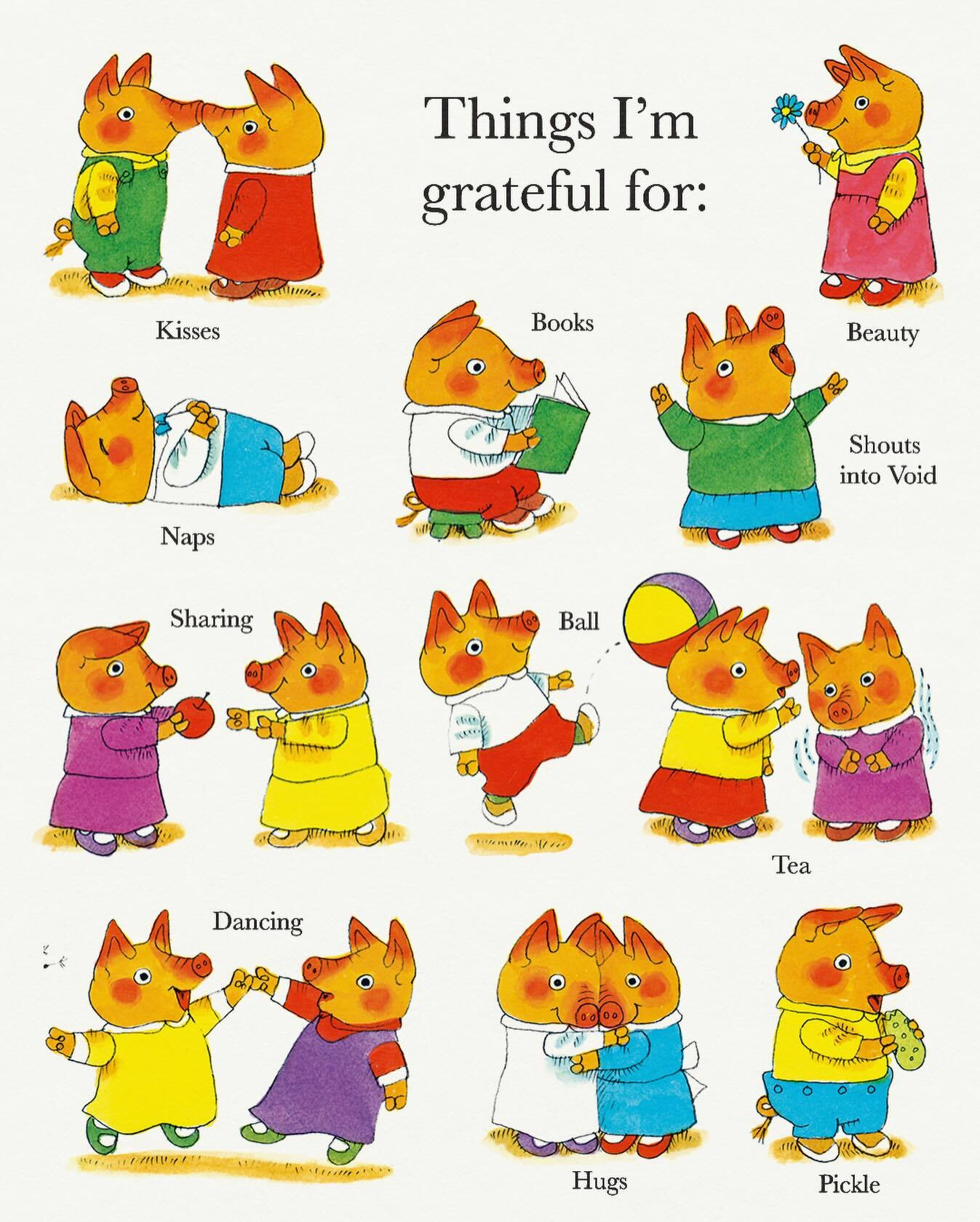
An up-to-date list from one of my first micro.blog posts.
We live in a world where violating taboos is monetizable and confers enviable status. I like taboos— not all of them, of course. But I respect the role of taboos in society. Good taboos are the guardians of settled questions. They sit like gargoyles at the mouth of dangerous caves and warn against spelunking in dark and dangerous places. …
The riot of taboo-violating and dogma-disinterring is an invitation to consequences few have the courage or the basic knowledge to apprehend.
If … you conjure a world where there is no external truth, only a riot of competing, equally valid perspectives, then you create a Nietzschean world where the only arbiter of “truth” is the one with the will and the power to impose their truth on everyone else.
Hamnet. Lots of ideas told in a happy, sad, and lovely story. Recommended for people who like that kind of thing (of which I’m one). 🍿
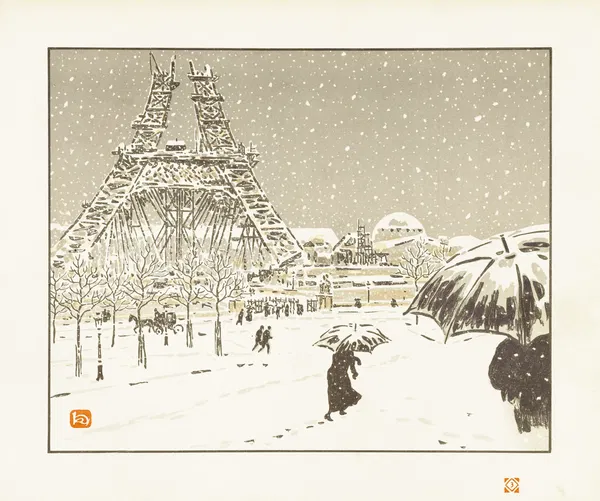
Wonderful, from The Public Domain Review: Henri Rivière’s Thirty-Six Views of the Eiffel Tower (1888–1902).

In the coffee shop,
I saw a customer reading a big thick book,
It looked serious, printed on heavy paper, hardback with a jacket.
I tried to see the title, but he packed up
Before I got a look. Now I’ll never know.
A woman sat in the same seat after him.
She also brought a book. This one,
I could see the title.
Comfortable With Uncertainty.
… I am a small-government, traditional conservative who thinks the Constitution is a deeply moral expression of liberalism.
And that’s why I like it.
Unlike the common good constitutionalists and postliberals and many of the nationalists, I think its liberalism is the most important thing about it. Postliberals like to argue that it is simply a morally neutral “procedural document.” Sure, it lays out some procedures. But it does so to codify some of the hardest-learned moral lessons in human history. A fair trial is procedural. Your right to one is a profound moral statement and commitment. Your right to worship, speak, move, and associate as you please may come from God, the author of our rights, but the commitment to recognize and protect those rights is not morally neutral at all. Just because people take these rights for granted doesn’t mean that they’re just the natural landscape. They are hard-won moral victories.
Starting with The Crying of Lot 49; any thoughts before I get very far into it?